
The global strategic landscape of 2026 is defined by a singular paradox: unprecedented technological propulsion clashing with a pervasive human desire for stability. Leading financial institutions, including BlackRock and UBS, have converged on a defining term for this historical moment: Escape Velocity. In physics, this is the minimum speed required to break free from the gravitational pull of a massive body. In our current economy, it represents the momentum needed to break free from the gravity of high debt, stagnant productivity, and legacy industrial structures.
Achieving this lift-off is not merely a matter of capital investment. It requires a meticulous orchestration of technology and human readiness. As we move through 2026, organizations must solve for the Knowing-Doing Gap—the friction between having the data and technology available and possessing the organizational insight to execute effectively.
I. The Macro Math: Reconciling AI Capex and Revenue
For the first time in 150 years, a structural breakout from the long-term 2% GDP growth trend is conceivable. AI is not merely an incremental tool; it is an innovation of the process of innovation itself. It allows for the autonomous generation, testing, and improvement of scientific and materials breakthroughs at a rate that human research cycles cannot match.
Historical Growth Trends vs. AI Breakout Potential
Analysis based on BlackRock BII (2026) Capital Deepening Estimates.
However, a significant clashing order of magnitude exists. Capital spending ambitions for AI are projected to reach between 5 trillion and 8 trillion dollars globally through 2030. For tech hyperscalers to deliver a reasonable return on this investment, they must grow annual revenues by roughly 1.6 trillion dollars. We are currently witnessing a shift from the enabling layer (chips and data centers) to the application layer, where real-world productivity must justify this historic spend.
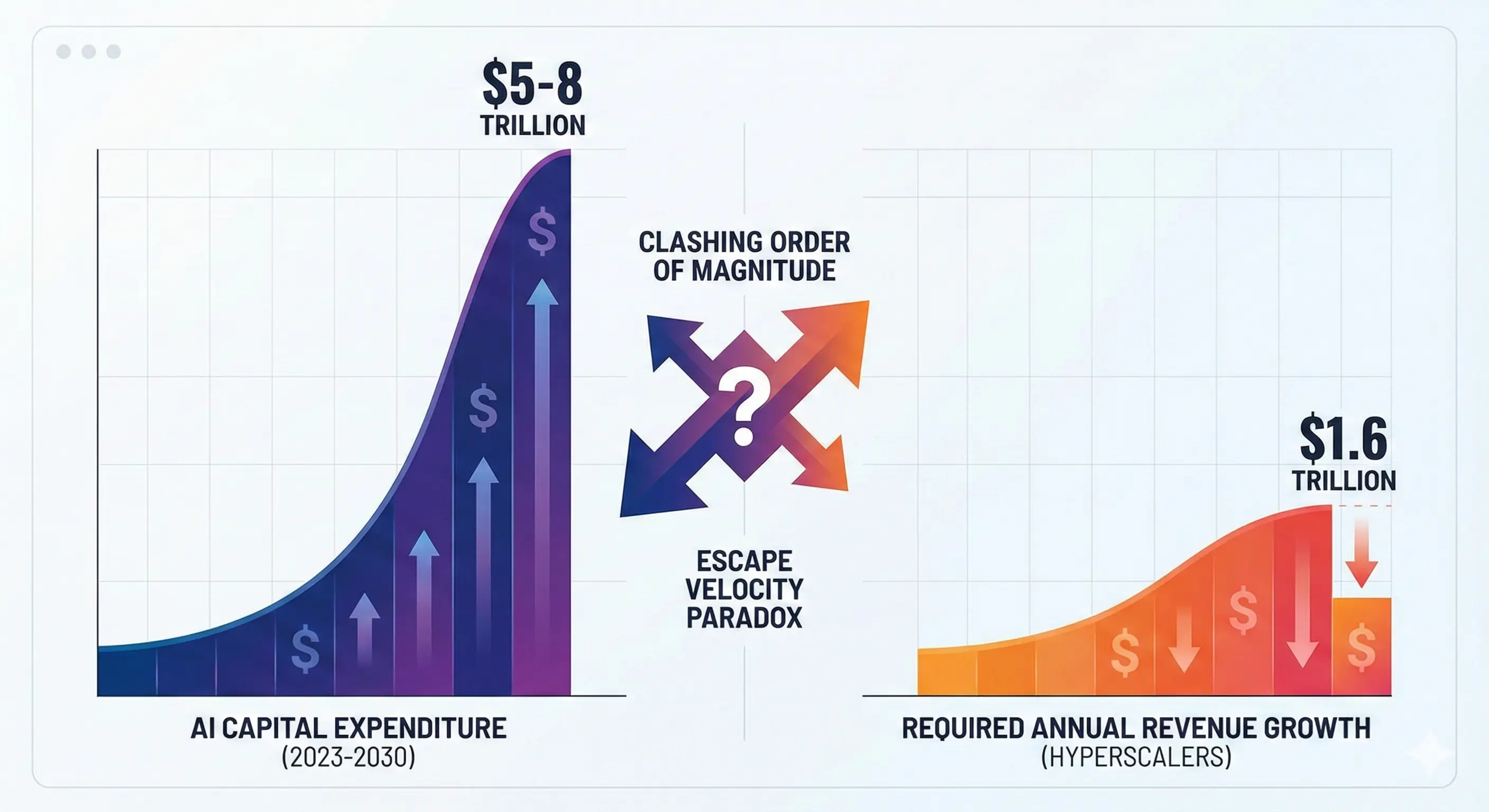
Fig 1.1: Clashing Orders of Magnitude — Capital Concentration vs. Revenue Realization
A primary bottleneck for this acceleration is physical, not digital. By 2030, AI data centers are projected to consume 15% to 20% of total US electricity demand. This energy constraint acts as a governor on the speed of AI deployment, favoring organizations that can integrate human-in-the-loop orchestration to maximize efficiency.
II. The Stability Premium and Narrative Whiplash
In the behavioral landscape, people are experiencing what Accenture defines as Narrative Whiplash—a state of fatigue caused by the unrelenting pace of technological change and political spectacle. 71% of global citizens remain optimistic that 2026 will be a better year, yet nearly half are bracing for potential economic recession.
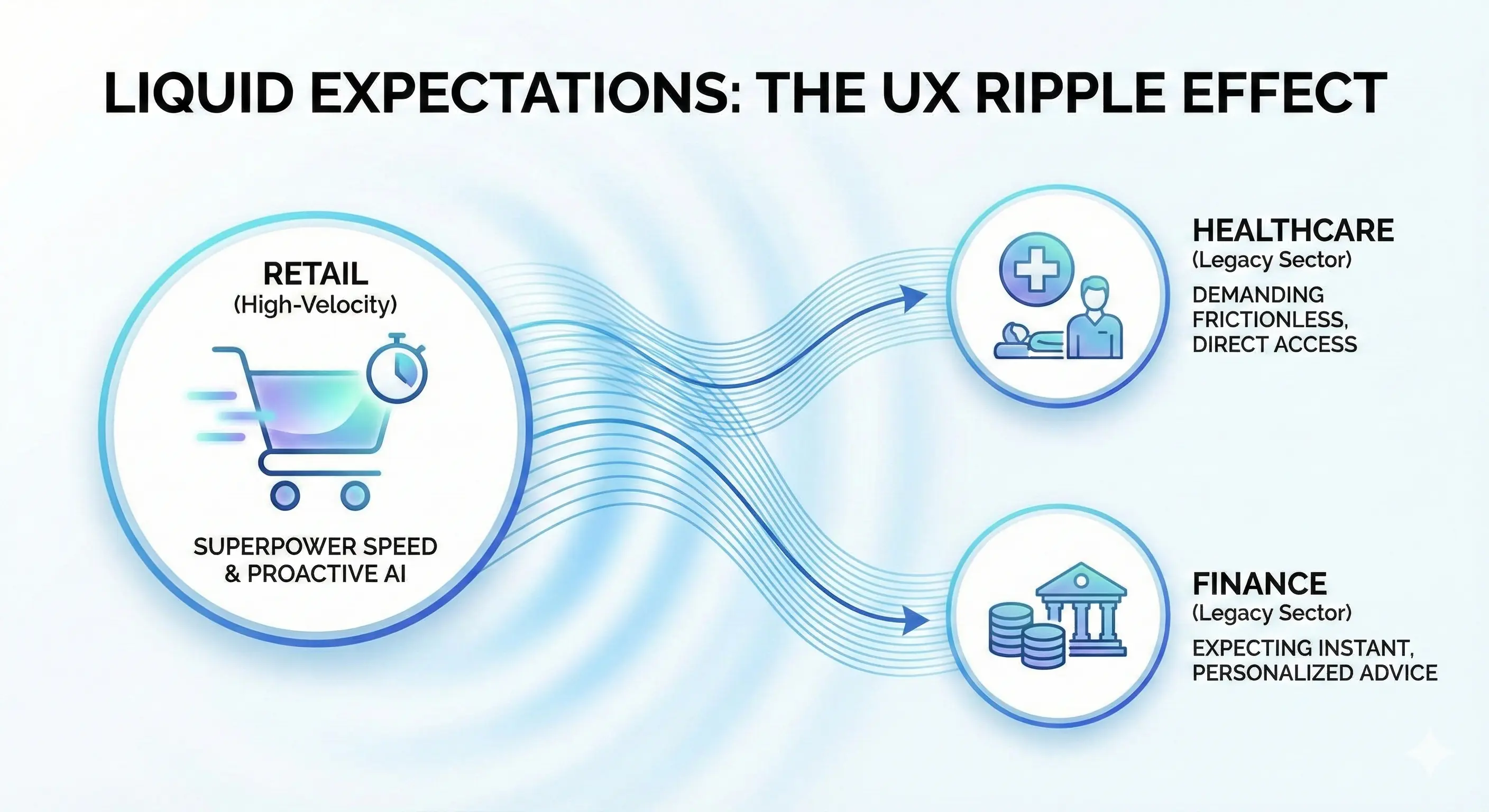
Fig 1.2: The UX Ripple Effect — Cross-Industry Expectation Cascades
Defining the Stability Premium
In an age where drama is the primary vehicle for content delivery, stability has become a strategic anchor. Organizations that offer consistency in their dynamic legacy—carrying core values through new mediums—will earn a Trust Dividend. Research indicates that consumers now prioritize unvarnished transparency over polished brand storytelling, with 75% seeking facts over fiction in an era of AI-generated workslop.
This shift is driving the rise of life-centricity. Customer obsession is no longer sufficient; organizations must now solve for the holistic journeys of people. The phenomenon of Liquid Expectations means that if a user experiences superpower speed in a retail AI interaction, they reset their expectations for healthcare, insurance, and municipal services. Brands can no longer merely compete within their industry; they must compete against the global standards of the most seamless digital experiences.
III. Strategic Pillars for 2026 Resilience
Drawing from the foundational methodology of the Innovation Audit, four specific pillars emerge as the framework for leadership in the coming year:
1. The Encore Economy and Longevity
The global longevity market is projected to reach 8 trillion dollars by 2030. People over 40 are rewriting the narrative of aging, holding the majority of cultural clout and financial power. Founders over the age of 45 currently achieve the highest startup success rates. Organizations must pivot their marketing from age-based segments to life-stage-based opportunities, recognizing the encore economy as a primary driver of consumption.
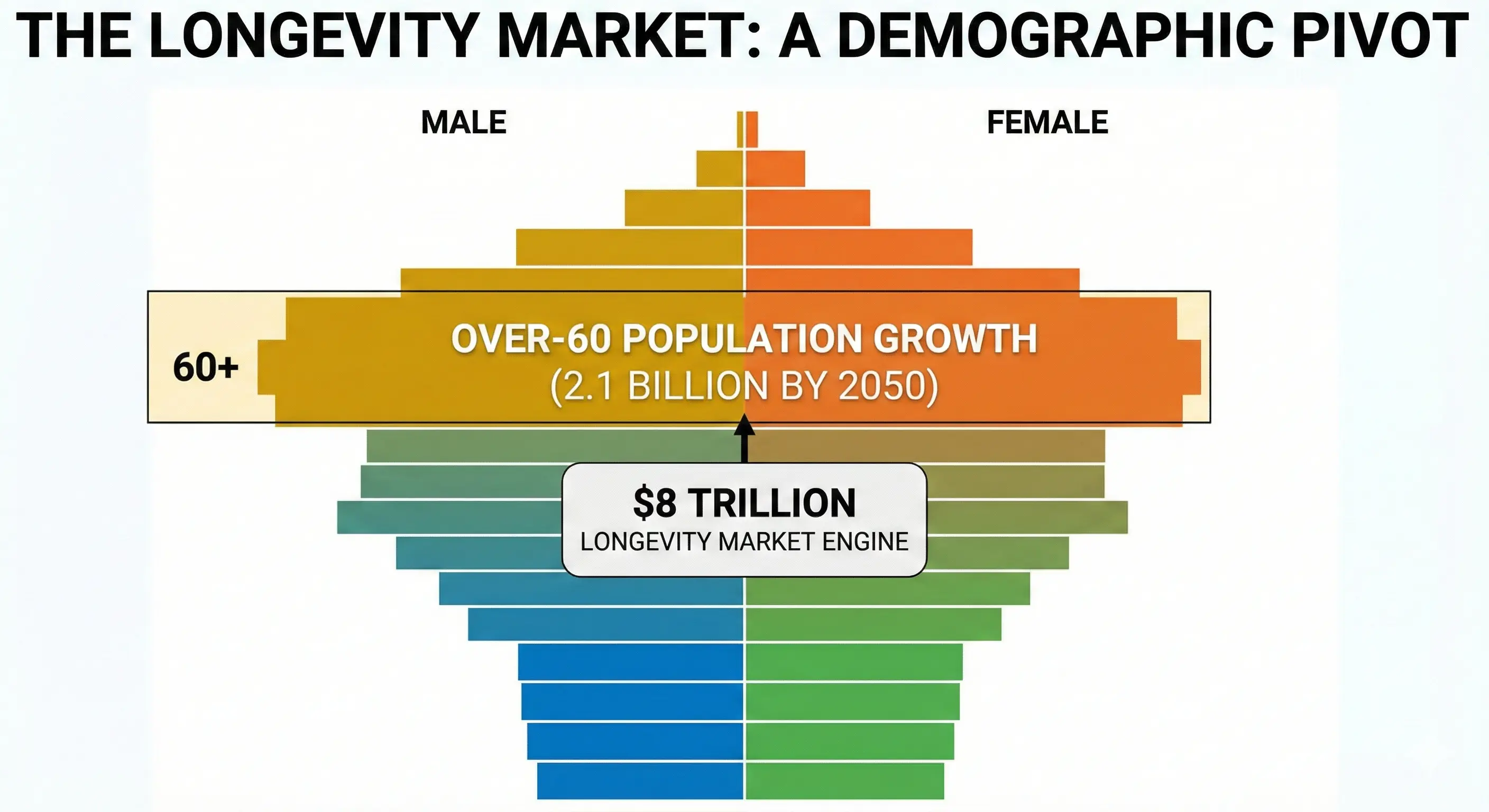
Fig 2.1: Demographic Inversion — The $8 Trillion Longevity Engine
2. Disciplined Experimentation (Fuzzy Front End)
Innovation is a process, not a spark. To avoid the Exploration Trap—where an organization explores too much without ever delivering competence—leaders must separate exploration (experimental safe havens) from exploitation (efficiency-driven core business). As we move from AI search to AI execution, management consistency is the only way to close the execution gap.
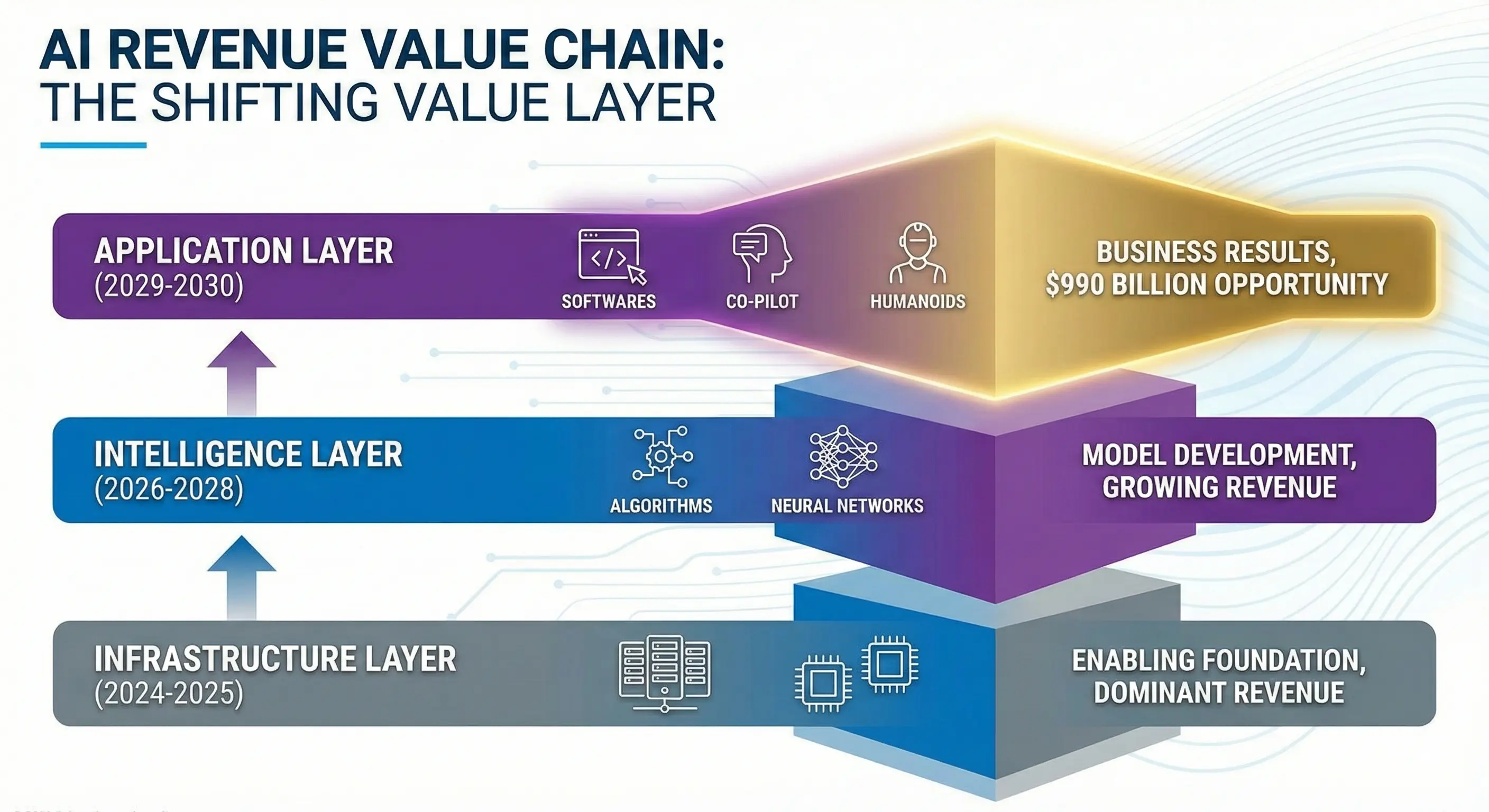
Fig 2.2: The Migration of Profit — Infrastructure to Application Layer
3. Human-in-the-Loop Orchestration
The winners of 2026 will not be those who replace humans with machines, but those who use AI as a skill download for physical and knowledge tasks. AI guidance for physical work represents a breakthrough for Augmented Health and modern manufacturing, where technology acts as a superpower for the professional on the ground.
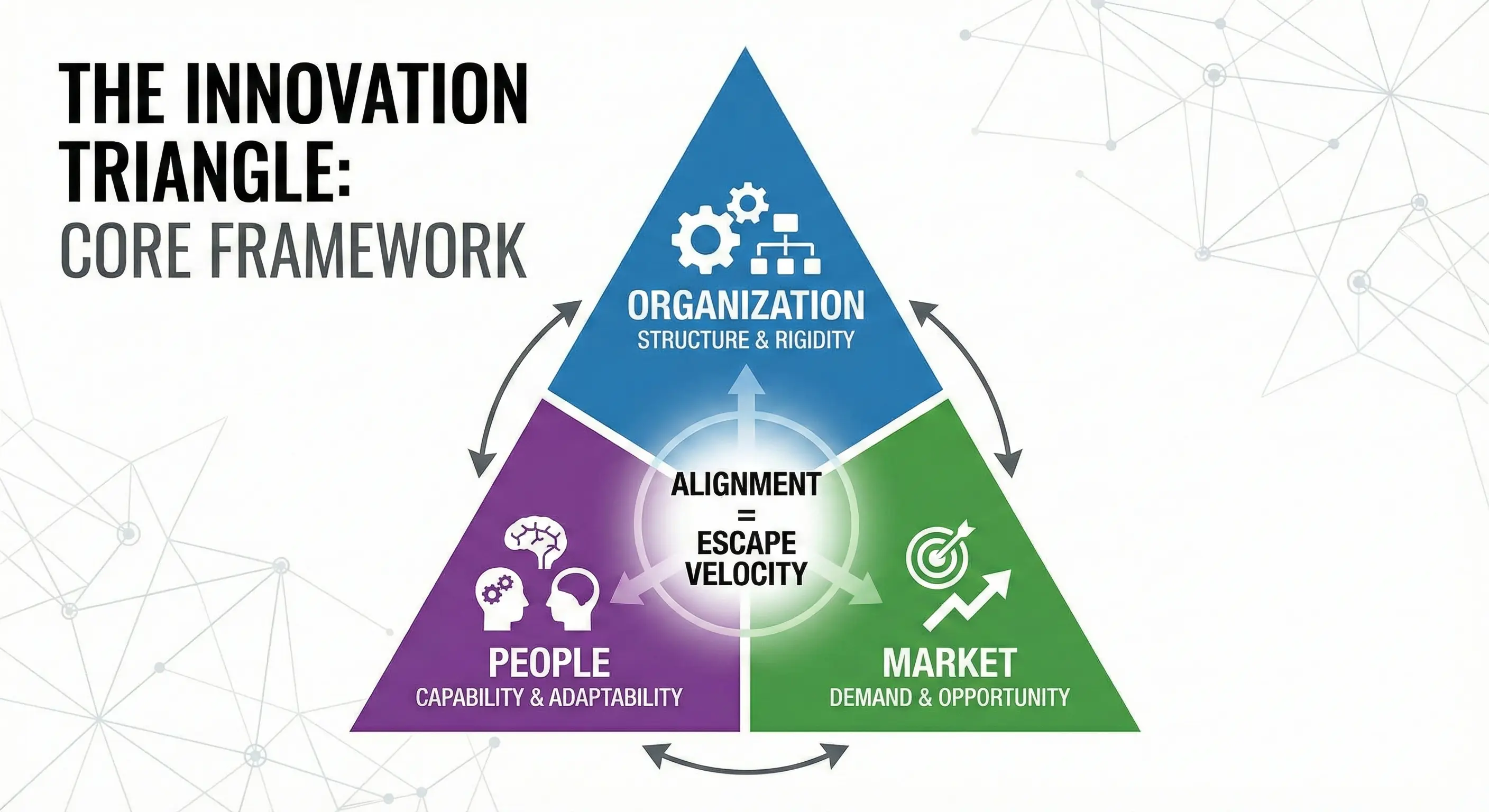
Fig 3.1: The Jille Kuipers Innovation Triangle — Core Strategic Framework
2030 AI Revenue Potential: Layered Forecast
Projections for total AI revenue accrual through 2030.
Summary: The Dynamic Legacy
Escape velocity is achievable, but the gravitational pull of legacy thinking is powerful. Success in 2026 belongs to those who build a dynamic legacy—maintaining Sustaining Values while obsessing over the human journey. As we reconcile AI capital with human adaptability, the central question for your 2030 strategy remains: Are you building a roadmap for machines, or a vision for people?
Strategic Audit Takeaway
To capture the next S-curve, organizations must bridge the Knowing-Doing Gap. This requires aligning the Organization, the People, and the Market into a single framework of truth. Ready to evaluate your organization's innovation potential against these global benchmarks?
Audit Your 2026 Strategy